


We learn so much from writing this blog—and not just from the research! Our readers ask great questions and in finding answers we often learn things we didn’t know and discover parts of gardening we’d have otherwise missed. One of our longtime readers, Aprille, responded to our recent post about pruning with a few questions about her own garden:
I pruned back my Azalea last fall. It had some type of fungus. It’s nice and green now, no fungus, but never bloomed this spring. What did I do wrong? Also, why is my dog eating dirt?
Aprille’s questions are good ones, and they address some common gardening and plant care issues that we all run into. Plus, dogs are fun and we love having them in our garden spaces too! So in answering her question, we’ll revisit how pruning helps plant health, what may have caused a fungal infestation on her azalea, and why azaleas and other plants may not bloom after pruning. Let’s dig in!
How Pruning Helps Prevent Fungus Infestation
Aprille lives in a coastal climate with long, hot, humid summers and relatively short winters. This is prime territory for fungus and mold issues on plants and other surfaces, and we suspect that’s why her azalea developed a fungus infestation. Azaleas are prone to very dense growth if not pruned out regularly, and in a hot humid summer that growth can prevent air flow and lead to conditions that are perfect for fungus, mold, and other plant problems. Azaleas also grow fast in the warm weather and acidic coastal soils of the American Southeast, so pruning was absolutely the right way to both cure a fungus problem while preventing it from coming back again in the future. Aprille did the right thing there, and it’s something we recommend to any gardener or landscaper with azaleas.

But why didn’t they bloom the next spring? The answer to that has its roots in the rapid dense growth azaleas put out during their growing season and when and how their flower buds develop. Let’s dig deeper.
How Pruning Affects Flowering in Azaleas—and Other Plants!
Even though pruning was absolutely the correct choice in this case, removing growth from the plant affects the way the plant grows and depending on the season, timing, and extent of the pruning can affect whether the plant blossoms in the spring.
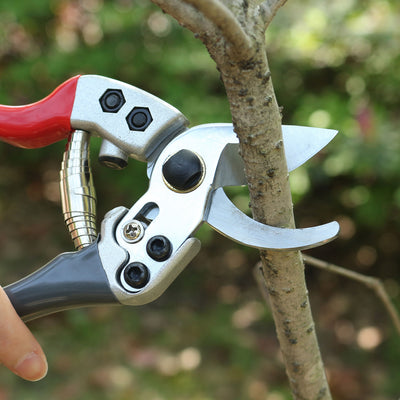
Let’s use Aprille’s azalea as an example. She pruned her plant as soon as she noticed a fungus issue developing. That was the smart choice; fungus issues can expand rapidly in warmer climate zones, even over the cooler months. By pruning her azalea, Aprille increased air flow around the plant, let more light reach the stem and base of the plant, and removed the conditions that contribute to fungus and mold growth.
She also removed material from the plant, and by doing so in fall she likely removed the new flower buds that would have become blossoms in the spring. Azaleas start developing their flower buds early, meaning that the ideal time to prune azaleas is in the spring or summer just after the spring flowers have fallen off the plant. This allows time for the plant to put out new growth with new buds for the following spring.

Aprille wasn’t dealing with an ideal situation—her plant had an acute health problem that needed to be addressed immediately. But to answer her question, and a few others as well: shrubs and bushes do need to be pruned regularly, but they need to be pruned at the right time if we want to see buds, flowers, or fruit the next year. Pruning after buds have developed or removing too much material can prevent the plant from flowering by either removing the flower buds themselves or by forcing the plant to focus on growth rather than flowers and fruit production. As with Aprille’s case, sometimes that’s necessary. However for regular maintenance pruning timing is essential and each plant species and varietal will have its own “perfect” pruning time of the year.

Why Do Dogs Eat Dirt?
Most gardeners with dogs have probably seen this from time to time. We are not veterinarians, but we did a little digging into the issue and per the American Kennel Association (AKA) there are a few reasons why a dog may be eating dirt. Sometimes it’s just boredom or playfulness. Dogs don’t find it particularly exciting to watch us fussing with our plants and may play in or even eat dirt just to have something to do. Sometimes it’s a sign of a health issue like a mineral deficiency or other dietary problem, so from what we gather chronic dirt eating in dogs is something to discuss with your vet. However, occasional dirt eating behavior or a one-time round of it probably just means that your dog wants you to stop gardening for a bit and play with them and that’s always important, too.

Gardening as Life-Long Learning
Gardening is a learning process, and one of the things we love about it is that it’s a never-ending journey. Every gardener is still expanding their understanding of how plants, soil, and gardens work and life-long learning is a joy forever. We’d like to thank Aprille and all of our readers for their engagement and their questions. We love hearing from you, learning from you, and interacting with you!
Leave a comment