


It is—pardon the pun—a perennial question in gardening circles: should you cut back your perennials in the fall? Folks have opinions on this, sometimes strongly held, and there are a variety of possible approaches and techniques to use when pruning perennials in the autumn. So with winter approaching, let’s see if we can’t answer the question in a more detailed way. Should you could back your perennials in fall? Let’s dig in!
Gardzen Executive Summary
· Pruning plants in the fall is a subject with many different takes and opinions among gardeners
· Some plants definitely benefit from a fall pruning, some do not.
· There are some gray areas—plants that we may want to leave uncut over the winter for various reasons.
· While we need to follow safety procedures while pruning plants, every garden space has its unique needs. What and how you prune is ultimately up to you.
What Pruning Does For Perennials
Let’s start with a quick recap of some information we’ve addressed in-depth in another blog post: why should we prune our perennials for winter? Pruning in the cooler months is a good way to remove the growth that spring and summer bring, allowing the plant to put out vibrant, fresh new growth when the warm weather returns. By pruning when things cool down, we avoid disrupting the plant’s growth cycle or stressing it by forcing it to put out new growth just before winter when things die back from the cold.
For landscaping or ornamental plants in particular, pruning is generally a necessary function so they don’t get over-sized, misshapen, or develop a health issue. However, pruning must be done carefully and with the right timing. So while fall can be a great time to cut back perennials, not all perennials benefit from an autumn pruning. Let’s learn a bit more.

Which Perennials Should You Prune in Fall?
So, which perennial plants can benefit from being cut back in the fall? There are some plants that definitely could use a fall trimming, and some that definitely shouldn’t be. Let’s start by looking at a short list of some plants that should be trimmed in the autumn:
· Bee Balm (Monarda spp)
· Phlox (Phlox paniculata)
· Peonies/Paeonia
· Hostas (Hosta spp)
· Irises (Iris spp)
· Day Lily (Hemerocallis spp)
· Shasta Daisy (Leucanthemum x superbum)
Cutting these plants back helps them regrow in the fall, but also helps them avoid other problems. Bee balm, phlox and some hostas are all prone to powdery mildew, which can develop on the plant during the cooler weather of autumn. Cutting them back helps limit the spread of powdery mildew and keep the plant healthy.

Perennials You Shouldn’t Prune in Fall
Now let’s look at some perennial garden plants that should not be pruned during the fall months. We’ll try to include some details as to why, as we feel it’s important to understand now only what we’re doing in the garden but why we’re doing it.
· Garden mums (Chrysanthemum spp), hyssop (Hyssopus officinalis) and anise hyssop (Agastache foeniculum), euphorbias (Euphorbia spp), and hardy geraniums (Geranium spp) should not be cut back because the remaining foliage helps protect the root crown in cooler or cold weather. Additionally, cutting them back can push the plant into late-season growth, which will leave it weaker for spring.
· Evergreens of any kind, including candytuft, primulas, and all heathers or heaths, should be pruned in spring instead of fall in order to stay in tune with their natural growth cycles.
· All Pulmonaria spp and Penstamons spp should also trimmed in the spring, again in keeping with the natural growth cycles and needs of these plants.
So now with the list of plants not to trim in the fall out of the way, let’s take a look at every gardener’s favorite space: the gray zone of “maybe”.

Plants You May Not Want to Prune in Fall or Winter
In gardening, there are always edge cases, gray zones, and maybes. When it comes to pruning perennials for fall and winter, there are some plants that we could cut back but may want to leave. These include things like bee balm, Echinacea spp, sunflowers, and anything else with a tall standing stem topped by a seed pod or cluster. Those seed provide valuable winter food to birds and animals, and leaving them standing helps the natural environment and biodiversity around us which in turn make our gardens even more interesting and beautiful. Every garden space has different needs and every gardener has different preferences so this isn’t proscriptive but rather just something we encourage all gardeners to consider.
How to Prune Plants Safely
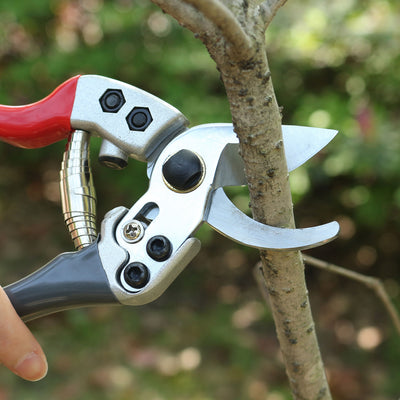
As always, we recommend safety while pruning for both the people and the plants involved. Use clean, sharp, high-quality tools in order to get good cuts, avoid spreading disease from plant to plant, and to help avoid accidents. Wear eye and hand protection, and plan each cut carefully before taking something off the plant. Remember—anything you cut will fall downward so be aware of where it might go and what might be in the way!

Fall pruning and which perennials to cut back in fall are an ongoing discussion among gardeners, and we’re sure many of you have thoughts to share. Please do so in the comments or send us an email—Gardzen is all about community and we love to hear from you!
Thanks for this, now I know what to do!
I pruned back my Azalea last Fall. It had some type of fungus. It’s nice and green now, no fungus, but never bloomed this Spring. What did I do wrong? Also, why is my dog eating dirt? 😂
I’m so excited to know I can prune back my Day Lillies! Definitely will prune my Rose of Sharon. It’s close to the house and will grow to the roof if I let it. Should I wait to do the pruning until we have Real Fall and not False Fall?
Leave a comment