


For most of us, gardening is a hobby and maybe a supplemental food source. There’s a wonder and a richness to growing our own veggies, after all, and it’s a reminder of where food actually comes from. Not too long ago, however, gardening was more than a hobby: it was a way of life and a primary means of putting food on the table. For folks navigating that relationship with their garden spaces, the seasons of the year carried a different weight. This shows in “the hungry gap”, an historical gardening term that still speaks to many folks today. Let’s dig in and explore what the hungry gap is and was, and how we can work around it in our own veggie gardens!
What is “The Hungry Gap”?
The term “the hungry gap” has its origins in the British Isles, although versions of it are found in other temperate climates around the world. Essentially, the hungry gap most commonly refers to the period when stored winter food from the fall harvest has started to run out, but spring crops aren’t quite ready to harvest yet. This could be a very lean time in farming households, or for folks who depending on their vegetable patch as a source of nutrition. In most places throughout the northern hemisphere’s temperate zones, the hungry gap lasts anywhere from a few weeks to a month and a half, generally across April and May.

Folks back then dealt with the hungry gap in various ways. Some made use of wild edibles like wild onion, wild garlic, and dandelion that may start to appear a bit earlier in the year. Some skipped vegetables and relied on stored grain—which keeps longer and was generally harvested in greater quantity—and animal products like dried or smoked meat, cheese, and butter. Life could be tough back then for many folks, and sometimes they just did without and went to bed hungry.

There were of course some gardening strategies developed to help ease the hungry gap. Let’s dig a little further and learn about them!
Gardens and the Hungry Gap
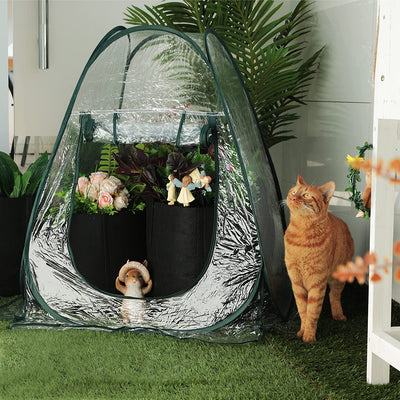
There were and are options available to gardeners when it comes to navigating the hungry gap. In addition to relying on stored foods and wild edibles, sometimes gardeners would sow seeds for spring crops like collards, kale, and broad beans in the fall with the hopes that they would sprout early in the year and provide a relatively quick and easy food source. This was risky, as a hard freeze in late winter or early spring could kill the seeds or seedlings and waste all that effort. To mitigate this additional risk, gardeners developed early versions of row covers, greenhouses, cold frames, and cloches in order to protect their plants.

Over time, gardeners and farmers also developed varietals of plants that could bridge the hungry gap by growing through the winter and into the spring. You can see clues to these overwintering varietals in their names. To this day January King is a popular varietal of cabbage. Less well known is a strain of kale called “Hungry Gap” due to its overwintering ability and the food it provided during that difficult time of the year.

Rather than relying on one food source for the hungry gap, many households employed several of these techniques, from foraging for wild foods to using stored food to early planting and overwintering. These practices were widespread in some places and climates into the 20th century. In more rural or remote communities, many remain in use to this day.
Gardening History, Gardening Today
Vegetable gardeners may still notice the hungry gap, but as a period when the grocery store or supermarket becomes more important than it might be during summer. Not too long ago, however, the hungry gap was a little more serious; folks needed their gardens to live and they developed ways to deal with a rough time of the year. We can make use of their knowledge and experiences now in growing our own gardens year round—hopefully while remembering that gardens and the food they produce are and were a lot more important to other communities.
Very interesting!
Leave a comment