


Squash and zucchini are some of the most popular garden plants there are, and with them comes a common garden problem. Squash vine borers are a frustrating little insect; they can destroy an entire crop of squash seemingly overnight. They’re often tough to spot and they can be difficult to thwart, but fortunately with a little additional understanding we can control them in our garden spaces and maybe mitigate some of the damage they do. The Gardzen Test Gardens just had their first vine borer incident of the season, and the topic is very much on our minds right now. So let’s dig in and learn about squash vine borers and what to do about them!
Gardzen Executive Summary
· Squash vine borers are the larvae of a moth that’s unfortunately common in parts of North America.
· These grubs hatch from eggs laid on the vines of many varietals of garden squash, and then bore into the vines—hence “vine borers”
· The damage they do inside the vines can very quickly kill a plant.
· Mitigation of the damage caused by vine borers is difficult but sometimes possible.
· Preventing vine borers from taking up residence is the best approach.
Melittia cucurbiae: The Squash Vine Borer Moth
It helps to understand every stage of the vine borer’s life cycle in order to understand how we deal with them in our garden spaces, so let’s start there. The vine borer is more properly known as Melittia cucurbiae and is native to much of the US and parts of Mexico. This bug is technically a species of moth, although it’s often mistaken for a wasp due to its aggressive red and black coloration and vespiform appearance. Melittia cucurbiae feeds on pollen from flowers when in its adult form, but the eggs and larvae are what cause all the trouble.
The vine border moth lays its eggs on squash vines, generally near the base of the leaf stem. When the eggs hatch, the nascent larvae work their way down to the base of the vine and bore into it. This is both the origin of the colloquial name and the first sign of trouble: a hole in a squash vine, generally surrounded by a grainy brown substance calls “fass”. Fass is just a fancy term for insect waste, and when we see it on our vines we know we have a problem.
The larvae bore through the vine, moving up and down its length and killing the plant in the process. The first external sign of a problem is a squash or zucchini plant that’s wilting when it shouldn’t be—but by the time this is visible it’s generally too late to save the plant.

Preventing Squash Vine Borers
With squash vine borers, prevention is much better than cure. Repairing the damage they cause is difficult, and it is always best to prevent them from setting up shop in the first place. Regular inspection for vine borer moths, stem damage, and fass is the best approach. Act quickly if you see any of these things.
There are some organic solutions for squash vine borers, and they’re generally among the most effective options. Some gardeners place shallow yellow bowls or pans in their gardens and fill them with water. The color attracts the vine borer moths, who drown in the water. This helps in two different ways: first it lets us know that the moths are around and then it also prevents them from spreading their eggs further and causing more trouble.
The next step is spraying. We like to spray with two organic pest control solutions. Neem oil is an effective way to both repel pests and kill their eggs and larvae on the plant, and you can read more about how to use it here. We also like to use BT, which is the shorthand name for the bacteria Bacillus thuringiensis. BT is an effective way to control many pests; the bacteria take up residence inside the larvae of many different species of insects and produces a protein that kills them quickly. Alternating applications of neem oil and BT has proven helpful for us, and we hear similar things from other gardeners around the country.

Physical barriers can help as well. Many gardeners use row covers to block vine borer moths from reaching their squash and zucchini plants, and this is a very effective and sustainable approach. We’ve also had some success wrapping the base of squash/zucchini stems—the few inches that first come out of the ground—with aluminum foil, which prevents the newly hatched vine borer larvae from reaching their feeding sites.
As is so often the case, using these approaches together is a good way to stack the odds in your favor. But what can we do when despite our best efforts the vine borers get into our plants. That’s a lot trickier, but there are some things we can try.

Dealing with Vine Borer Infestations
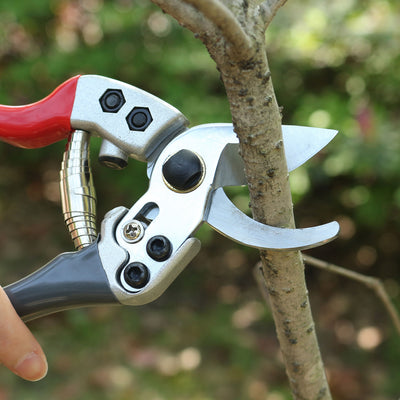
We’ll say it again: regular inspection of our squash and zucchini plants is key in preventing vine borer issues. If we notice a bore hole and fass on one of our plants, we need to act quickly. Some gardeners use a sharp clean blade to gently split the vine starting at the bore hole and moving forward until the find and remove the grub. Some of us stick sharp clean needles through the vine where we think the vine borer larvae is and try to kill it that way. With either approach we need to use clean tools and clean hands and proceed as carefully and gently as possible, minimizing damage to the plant.
Some squash will put out new roots along the length of the fine, and burying a few sections along its length can encourage new roots that will help counteract vine borer damage. Any mitigation approach to vine borers must be executed as soon as the problem is detected. By the time we see wilting plants and fully split vines, it may be too late to save the plant.
If we unfortunately lose squash plants to vine borers, we recommend finding and killing the larvae if it’s still present in the plant and then disposing of the plant in the garbage, not the compost heap. This seems wasteful, but it helps prevent more vine borers by disrupting their life cycle.

Vine Borers and Our Gardens
It’s never fun losing a plant, but vine borers can be especially heartbreaking. A healthy looking plants starts wilting and dying and there’s not a lot we can do. It’s a learning experience, albeit a difficult one, and a reminder that while our gardens are our treasures, they’re also part of a natural world filled with organisms all doing their best to survive. Squash vine borers are not “bad” for existing, but they are bad for our plants and gardens and we should do our best to keep them away.
If you have your own tips or tricks for dealing with vine borers, we really want to hear from you. We’ve had one issue already in our Gardzen Test Garden and we’re on the lookout for more, so any advice is welcome. Gardzen is all about community and we love to hear from you!

Leave a comment