


Pruning is always an interesting question for gardeners. While there are some widely agreed-upon and scientifically supported techniques and guidelines, there’s also a lot of personal lore about when shrubs should be cut back. Not to mention deadheading perennial flowering plants, which is a whole separate question we’ve written about here. All that aside, we’ll take a look at the best practices for pruning and the best time to do it. Now’s a good time of the year to review how, when, and what to prune in the autumn and winter months, so let’s dig in!
Gardzen Executive Summary
· Pruning should be done in a controlled and careful way; pruning at the wrong time of the year can damage the plant or prevent blooms from growing later on.
· Pruning should always be done with safety in mind for both humans and plants.
· Some plants benefit from a fall pruning, others should wait till spring.
· Evergreen shrubs, lavender, rosemary, and some spireas are all examples of plants we can trim in autumn.
· By contrast, lilacs, azaleas/rhododendrons, and camellias should generally be trimmed in spring.
· Roses have their own particular concerns, but true pruning should usually be done in early spring.
· Local conditions are important, so we should check with a knowledgeable local gardener, garden club, or cooperative extension if we’re unsure.

What (and How) Should We Prune in Fall?
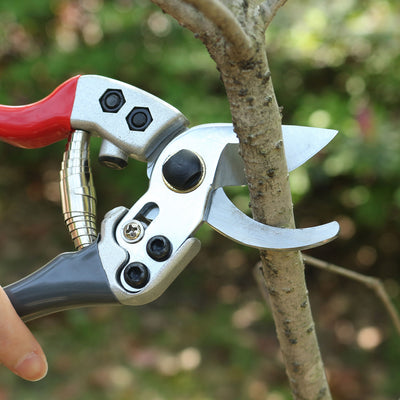
In some ways, pruning is a year-round process. When disease or damage strikes, the wise move may be to remove that portion of the tree or shrub in a controlled and sterile way. Regardless of what time of year we’re pruning, we should always use clean, sharp tools in order to reduce trauma and damage to the plant and to avoid spreading disease between plants. This is especially important in cooler months, when trees and shrubs may be dormant and less resilient.
What to Prune in Fall
Let’s start with a couple of lists. Here are some plants we should prune in the fall and some tips for pruning them effectively:
· Evergreen shrubs like boxwood, arborvitae, spruce, yews, and pines may benefit from a light fall pruning in order to maintain their shape and size. We should avoid heavy cuts as these can expose the plant to frost or cold damage.
· Lavender, rosemary, and other woody-stemmed culinary herbs should be pruned for size and shape in the autumn months and left alone for the winter in order to best encourage new growth in the spring.
· Butterfly Bush/Buddleia benefits from having the old canes removed in order to promote new growth and strong blooms. Approaches vary, however; some gardeners like to remove most of the old canes, some prefer to only remove about a third of them.
· Summer blooming spireas should be lightly pruned for shape and size in the fall; as with evergreen shrubs we should avoid major trims, cuts, or reshaping.
· Vitex agnus-castus, also known as chaste tree or chasteberry benefits from having its dead wood removed in autumn along with a pruning for shape and size. This helps the plant produce dense growth and more flowers when the growing season returns.
· Pomegranate may grow in either tree or shrub form, and either way fall is a good time to prune them. Typically we prune ours after the harvest is over and the last fruits have been picked from the tree. It’s best to keep it simple, in our experience: remove large unproductive branches to make room for newer productive ones, cut any crossing branches that may rub against each other and cause damage, then prune for basic shape and size.

What to Prune in Spring
Our next list here is a selection of plants that we should wait and prune in spring. For various reasons, a fall pruning may cause issues with plant growth or health and should thus be avoided. Let’s take a look and learn more:
· Lilacs in all of their lovely forms are best pruned after their blooms fade in both spring and late summer/fall. Pruning later in the year or mid-summer can reduce the number of blooms that appear later on.
· Azaleas and other rhododendrons should be pruned after flowering in the spring in order to protect the new growth that appears over the summer and produces blooms the following year.
· Roses and pruning are a thorny subject; every gardener who loves roses has their own system and their own beliefs. As a general rule, roses shouldn’t be pruned until early spring. However, fall is a good time to remove dead or broken branches and prune back truly excessive growth. It’s a fine balance and, perhaps, a future article in the making.

· Camellias, particularly C. japonica shouldn’t be pruned in the fall. Most camellia varietals benefit from spring pruning, but fall pruning can remove the C. japonica buds that bloom so beautifully in winter. Postpone routine or cosmetic trimming till spring and enjoy the lovely winter flowers that Japanese camellia offers!
· Dogwoods are a special case: generally speaking they don’t need much pruning at all and in fact find pruning detrimental. If we need to prune for shape, size, or to remove damaged or damaging limbs, the best time is late winter to early spring.
There are plenty of other plants that could go on both lists, so do your research (or send us an email and ask) before going crazy with the pruning shears and limb saw. This is a great time to (say it with us) ask your local cooperative extension or gardening club for guidance.
Pruning in Winter
Most plants should be pruned or deadheaded in fall or spring, but there are a few types and species that benefit from a winder pruning. Fruit trees are an example in point; some benefit from a winter pruning, while some—peach trees—may suffer long-term damage from a winter pruning. We recommend asking knowledgeable gardeners about best practices for your local climate and conditions and also checking out our blog about winter pruning.

Stay Safe, Stay Warm, Keep Gardening!
Pruning can be a great fall chore for gardeners; it’s another seasonal way to spend some time with our gardens and our plants. We can inspect for problems and damage, plan for future growth, and do the basic maintenance that makes life easier in the spring and summer. So if you’re pruning this fall, stay safe, keep warm, and enjoy the time in your garden!
Leave a comment