


While many of us may not know what they are, rusts and smuts are the bane of farmers, landscapers and gardeners in many places around the world. These fungal infections can cause a lot of damage to their hosts plants, and under the right circumstances can work their way through an entire lawn or garden. Rusts and smuts may occur throughout the year, depending on region and climate, so we should all be on watch for them. Let’s dig in and learn more about rusts and smuts and how we can prevent fungal infections in our gardens.
The Difference Between Rusts and Smuts
As is generally the case, defining our terms is a good place to start. Let’s look at what rusts and smuts actually are and learn the characteristics and the differences between these fungal plant pathogens.
Rusts are dazzlingly complex, with over 7000 species within their parent genus Puccinia. They also have complex life cycles, starting as a spore and moving through four or five different stages before reaching maturity. To make things even more interesting, they’re heterecious. This means that rusts move between two different host species during their life cycle, which is a bit unusual for a plant pathogen.
Rusts get their name from a part of their life-cycle in which many species appear as a powdery rusty brown or red deposit on the stem or leaf of the host plant. It’s not usual for there to be many different rust deposits or large ones, giving the plant the look of decaying metal. Plants with rust may also develop deformities like gall, witch’s broom, or cankers. Earlier symptoms of a rust infection may include stunted growth, yellowing leaves, and deformed leaves or new growth.

Smuts take their name from the German word for “dirt” and it’s an apt moniker. Smuts developed thick, gritty, frankly nasty-looking clumps of fungal growth on plants, most often on individual grains in cereals crops. Smuts do however infect a wide range of plant species and can spread throughout an individual plant or a whole crop quite quickly. Unlike rusts, however, some smuts have culinary uses for human beings. Wild rice smut—Ustilago esculenta—grows on some wild rice species in eastern Asia and produces galls that have a texture and flavor like bamboo shoots. In season, they’re gathered and used as a foodstuff. A bit closer to home for most of us, corn smut—Ustilago maydis—grows on corn/maize crops and has long been regarded as a delicacy in Mexico. There, it goes by the name huitlacoche and is used in many different recipes.

Identifying and Treating Garden Rusts and Smuts
This gets a bit tricky, given how many different species of rust and smuts there are and the various ways they can present in our gardens. The best approach is prevention, which in this case involves keeping your plants healthy, well-spaced, and in a relatively clean garden environment. If rust or smut is common where you live, quarantine new plants for a few days and see if they develop symptoms before moving them into your garden space. Rusts, smuts, and other fungal plant diseases are yet another reason why spending regular time with your garden is important; if you notice something is off you can act quickly and early.

For all fungal plant diseases including rusts and smuts, keeping moisture under control is a must. Plants need water to survive, of course, but excess water building up around plants, lack of air circulation to dry out their above-ground parts, and poor drainage can create an environment that invites rusts and smuts.
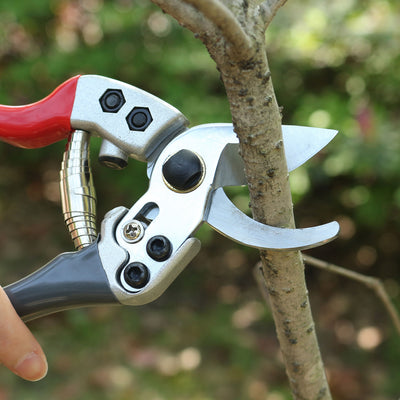
If you spot rusts or smuts developing in your garden, the first step is to remove or isolate the plant in question in order to prevent transmission. Rust and smut spores are often carried on the wind, so keeping the infected plant confined away from the others is a good step. If the area of infection is small, removing or pruning the affected leaves, fruit, or stems may help. Dispose of these in a plastic bag in your regular garbage—DO NOT COMPOST RUST OR SMUT INFECTED PLANTS! Their spores love to live in moist soil and compost provides a near-ideal environment. From there they can spread to the rest of your garden through the air or through the compost itself.

There are commercially available fungicide treatments for home gardens that are intended to treat or prevent rusts and smuts. Honestly, we don’t have much experience with them but gardeners who are having a fungal infestation issue may find them useful. As with all garden products, use them safely and according to the manufacturers directions for best and safest results.
Rusts, Smuts, and Gardening
Rusts and smuts may be more or less common depending on region and local conditions, but they’re part of gardening just like everything else. Plants are part of the natural world, and one of the big lessons of gardening is learning to work with nature rather than against it. By learning a bit about what rusts and smuts are, how to spot them, and possible treatments and preventative measures, we not only help our plants thrive but we expand our own understanding of the the botanical world around us.

We’d really like to hear from you on this one! If you have any treatments or home-cures for rusts and smuts, please let us know! Gardzen is all about community and we all learn best when we learn together!
Leave a comment