


This blog is the Gardzen equivalent of an emergency weather bulletin: for many of us across North America, the weather is about to take a very nasty turn. Ice, snow, freezing rain are going to affect a wide swath of the continent, pushing deep into the Southern United States in some cases. We hope your gardens spaces already prepared and protected, but just in case here’s a last-minute checklist of things you may want to consider in order to keep home and garden safe.
· Cover vulnerable plants, including shrubs and bushes. Row covers, frost clothes, tarps, old sheets and blankets, cardboard boxes—even a layer of lightweight mulch for low-lying plants—all make good protection from sudden and extreme cold. Make sure you’re using multiple layers and a waterproof outside layer; light row or plant covers are good for cold snaps but this is going to be a winter storm. Multiple layers help hold heat, and a waterproof outside layers keeps them from getting soaked and frozen which can further damage plants.

· Mulch heavily if you can, because a heavy layer of mulch helps the soil hold onto heat which can in turn protect plants and roots from the freeze/thaw cycle. Remember to leave a space between the mulch and the trunk or stem of a tree or shrub.

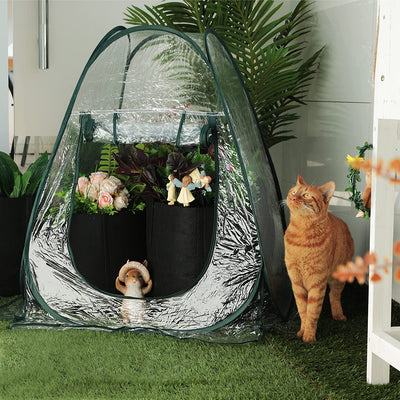
· Protect your outdoor container plants! Generally it’s best to bring them indoors or into another protected space, but if that’s not an option you can cover them as you would an in-ground plant. It also helps to move them up against a wall of a building in spot protected from the wind, and group them together to help conserve warmth. As with in-ground plants, multiple layers of insulation with a waterproof outer layer are key.

· Don’t forget the animals! If you have pets, bring them inside! If you have outdoor animals like birds, squirrels, or other wildlife, try to ensure they have some sort of shelter along with food and water. They know how to survive on their own, but every little bit helps. This applies to feral cats and stray dogs as well—by providing a safe and warm shelter we can help them weather the storm.

· Don’t remove ice and snow from plants or covers! Shaking ice off of branches, trees, or shrubs can cause further damage, so it’s generally best to let ice melt naturally. Likewise disturbing row or plant covers can rob them of their insulating value, so just leave them be until the ice melts.

· Keep yourself safe and warm! Have a plan to keep your house warm if the power goes out. Make sure you’ve protected your plumbing from freezing and burst pipes. Avoid driving if the roads are bad, and stay inside during the worst of the weather. It’s easy to get focused on chores leading up to the storm and forget about our own safety, so make yourself a priority too!
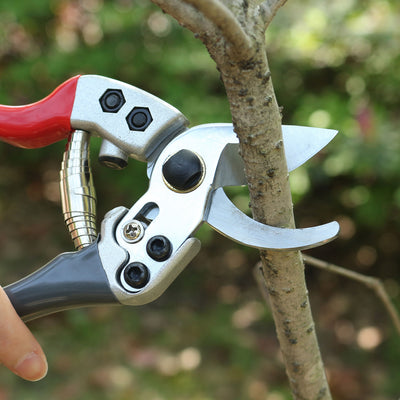
· After the storm passes, take time to assess before acting. It’s also tempting to jump right in and start clearing up after the storm passes, but take a moment to think things over first. You do need to uncover your plants as soon as temperatures warm up, but do a walk through and identify issues before you start working. Are their limbs that need to be pruned? Damaged or broken branches/trees that are hazardous? Can you do it yourself safely or do you need to call in a professional? We recommend erring to the side of caution; ice and snow can do a lot of damage to trees, plants, and structures and getting that damage repaired safely is key.

We hope this last-minute checklist helps you get ready. We can’t address every need for every garden, but this should help you get started and help you keep your home, your plans, and yourselves safe. We wish you the best in dealing with this weather, and we’ll see you on the other side! Until then, stay safe and warm.

Good luck to all affected by this incoming storm
Leave a comment