


Fall and winter gardening are often described as “easier” or “slower”. This is true in a sense—there’s less to do in terms of watering, weeding, and similar garden chores. However most garden spaces do benefit from some care and upkeep during the colder months; autumn and winter are great times to help gardens thrive by setting them up for success in the spring. Pest control is always a garden concern, and it is part of our fall/winter chores in our garden spaces. So join us as we take a look at how we can best go about pest control in fall and winter gardens and how those actions help us in the spring. Let’s dig in!
Gardzen Executive Summary
· Pest control isn’t just for spring and summer—autumn and winter are important times to take steps for pest control in the garden!
· Fall pest control is often an extension of summer pest control activities: removing debris, weeding, and taking active measures to keep pests away from our plants.
· Controlling nesting and overwintering sites for pests is an important step.
· Winter pest control means good pruning, mulch management, and protecting younger plants from rodent damage.
· Our advice is just a starting point; please seek advice for your particular climate zone or locale from a local expert!

How to Control Garden Pests in Autumn
Pest control in autumn is, for most gardeners, a combination of continuing our spring/summer pest control plans while also cleaning up our garden spaces in preparation for winter. It’s probably easiest to look at a list of suggested garden pest control tasks, so that’s what we’ll do here. Please note that as always these are just a starting point; every garden space is different, we all live in different regions and climates, and we all have different needs:
· Stay on top of pests! As the weather cools down it’s tempting to let things slide, but now’s the time to stay on top of pest control in the garden. Keep applying neem oil or bacillus treatments, remove eggs, larvae, and pest worms when you see them, and pay attention to what your plants are telling you. Helpful insects should always be allowed to stay, but removing and controlling garden pests is a year-round project.
· Keep on weeding! We know that weeding is no one’s favorite garden chore, but the reality is that weeds are a year-round problem too. Removing weeds in the fall helps ensure that garden pests and their eggs don’t have a place to overwinter, and that in turn reduces their populations in the spring. Future Us will thank Present US for staying on top of weeds even after the weather cools down and the summer garden has faded.

· Clear away debris! Another less-than-fun garden chore, clearing away pulled weeds, debris, and other unwanted items from our garden spaces helps control pests by giving them fewer places to overwinter. Note that we don’t mean you have to clear you entire outdoor space—we’re still fans of “leaving the leaves” on the lawn and created wild spaces as wildlife habitat if space permits. But our garden beds should be clean and clear of unwanted debris and waste in the fall and through the winter.
· Check (and maintain) the soil! As we move through fall, it’s a good time to refresh, test, and otherwise maintain the soil. This is especially true if we’ve had some soil related problems—say, bacterial wilt—and if we need to focus on soil health in order to have a great garden in the spring. When done in a thoughtful, environmentally-minded way, soil care is pest control that pays off for years to come.
Some readers may notice a theme here: pest control in autumn is an extension of our spring and summer pest control practices. So while fall pest control is important, what happens in winter? Let’s take a look at how pest control works when Jack Frost is nipping at our noses.

Why Winter Pest Control is Important For Healthy Gardens
Winter is a quiet time in many gardens. Most plants don’t grow much in the cold months and the care they require is mostly preparation for freezing weather and a bit of pruning. However, those tasks are important for garden pest control. Let’s take a look at why that is:
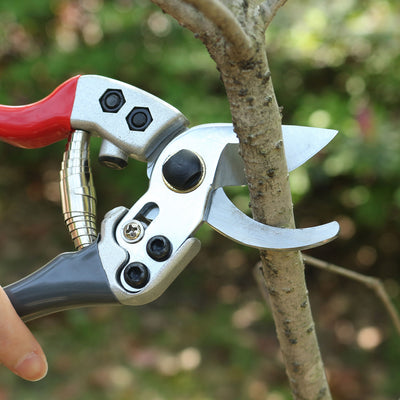
· Pruning is a common winter garden tasks; many plants are best pruned after they go dormant for the winter. Pruning isn’t just about aesthetics or fruit production, however. It really helps with the health of the plant by removing damaged or weakened growth, ensuring that the plant gets adequate air flow, and that pests don’t take up residence. In order to do any of these things, pruning should be done properly—check out our article about pruning here.
· Mulch is a perennial topic here at Gardzen, and it’s an important consideration in winter gardening. Ensuring that mulch remains clean, deep enough, and in the right places all winter long helps keep roots and plants healthy and protected from the cold while also ensuring that pests don’t nest where they’re not wanted. Mulching is an art and science all of it’s own, but we have a few articles that might help you get started.

· Rodents can be garden pests, and they can be both active in winter and/or nesting where they aren’t wanted. Winter’s a good time to ensure that both unwanted rodents like rats and regular garden guests like squirrels are behaving themselves and staying where they’re healthy for both themselves, the people around them, and the gardens we share. Voles and mice can nest in or around trees, which can cause root and trunk damage. Rats and squirrels may chew on younger growth and saplings for food. Trunk guards and wraps can help prevent this, and we may need to use them where needed.

Winter’s not a dead time in the garden. Many plants and animals may be dormant, but they’re still alive and waiting for spring. The cold months are a great time to catch up on garden tasks that keep things healthy all year round—and that includes pest control.
Pest Control is a Year Round Garden Task
There’s always more to say about keeping plants healthy, particularly where pest control is concerned. Pest control is part of plant and soil care, and a little effort in fall and winter will help ensure that things go far more smoothly in spring. Again, the lists and ideas here are just suggestions and starting points and we suggest seeking guidance and information tailored to your particular locale. You can do this by asking your local cooperative extension or garden club. You can also reach out to us in the comments or via email and we’ll do our best to help. Gardzen is all about community and we love to hear from you!

Good information! I cannot wait to prune my Rose of Sharon. She wants to be a roof topper. 🤣
Good information! I cannot wait to prune my Rose of Sharon. She wants to be a roof topper. 🤣
Leave a comment