


Succulents and cacti are just fun to grow—especially for those of us with indoor gardens. They come in a variety of fun shapes and colors and the various species available to home gardeners are fascinating in their histories and in the ways that they grow. In other words, growing succulents is fun, but like all plants they require a bit of upkeep and TLC. So at the request of one of our readers—thank you, Kathleen!—we’d like to present a brief guide for how to prune and care for succulents. Let’s dig in!
Gardzen Executive Summary:
· Succulents and cacti belong to the same family—all cacti are technically succulents. However, we’ll be referring to succulents here.
· Most succulents evolved to thrive in dry, warm or hot climates and their growing conditions should reflect that.
· Dry, loose soil, minimal watering, full light, and warm conditions are ideal for most succulents, though some can tolerate or even prefer shade.
· Pruning succulents or taking cuttings for propagation is fairly simple if we use clean sharp tools, clean hands, and a little understanding of what the plants need.
· Different species of succulent have different needs, so we should do some research on the particular plants in our garden spaces.
· Succulents are ideal for indoor gardens, and indoor gardens are fun!

What Succulents Need to Thrive
Succulents (and cacti, though we’ll be focusing on succulents as a whole) are plants, and they have all the needs plants do: soil, light, water, nutrition, temperature, and humidity. However, succulents are a particular sub-set of plants with a particular range of needs that may differ a bit from other common houseplants or garden plants. Let’s dig a bit deeper.
It all starts with soil, so we’ll start there too. Succulents generally prefer well-draining soil with a relatively loose texture. The reason is simple: succulents most often evolved to thrive in dry environments (see our blog about living stones and pebble plants for a great example) and those environments tend to have dry, loose soil. For container plants, a good cactus mix purchased from a reputable supplier is likely the best choice. DIY recipes for succulent/cacti mixes are out there, but if you’re new to succulents it’s probably safest to buy a good pre-made container mix.
Succulents like loose, well-draining soil because they generally don’t need a great deal of water to thrive. How much water and how often to water depend on the species in question, so please do a bit of research about your particular plants. Generally speaking, the soil hosting your succulents should by dry before you water again. Succulents are that rare breed of plants that generally recover from under-watering much more quickly and easily than they do over-watering, so err on the side of caution.

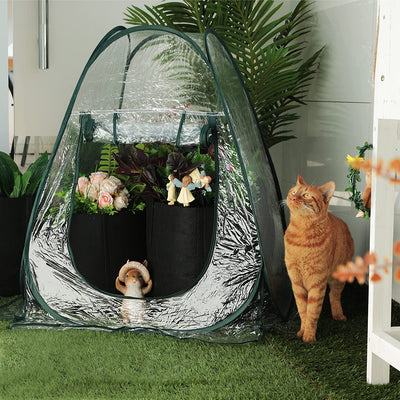
The native environment of many succulents also plays into the level of heat and humidity they enjoy. Specifically, most succulents like dry, warm-to-hot conditions. Maintaining these conditions in some indoor settings can be tricky, but an indoor greenhouse or other covering can help create the microclimate your succulents need to thrive.
Finally we’ll talk about fertilizer and nutrition—and this is a contentious issue in the world of succulent houseplants! Generally speaking succulents need relatively little supplemental nutrition if planted in a good soil mix. However, during the growing months (typically spring-summer-fall) many succulents will benefit from a light monthly dose of a balanced fertilizer, 5-5-5 or 10-10-10. Again, it depends on the plant species in question so do your research!
How to Prune and Propagate Succulents
Pruning is always a topic of conversation amongst gardeners and horticulturalists; everyone has their opinions and their techniques and they believe in them quite firmly! We’re going to offer some suggestions for how to prune and propagate succulents properly—but we’re not suggesting that these are the only ways to do it! One of the fun things about gardening is learning different ways and techniques for plant care. Talking with our fellow succulent enthusiasts can help us explore different ways of doing things, and we’d bet that most of us have a gardening club or succulent lovers club nearby!
Now, let’s talk pruning and propagation of succulents:
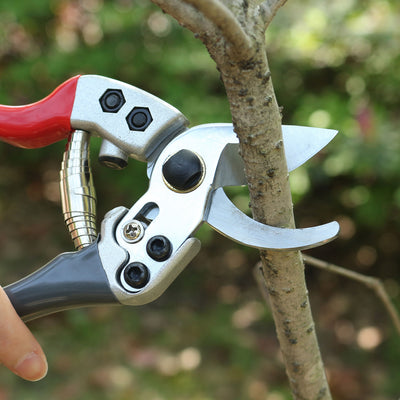
· We’ve written about pruning and taking cuttings before, and those rules apply here: pruning should be done with care, intention, clean hands, and clean, sharp tools when needed. These protect the health of the plant by ensuring clean cuts and reducing the risk of spreading disease or infection via the pruning cut.
· Choose the section to cut with care. If we’re propagating from a cutting, we generally only need to take one leaf or node. If we’re pruning to shape the plant, we should proceed carefully, cutting cleaning between nodes and removing damaged sections or leaves first.
· How much to cut away is always a question when we’re pruning and shaping a succulent. Generally we don’t like to take more than about a third of a smaller or younger plant at a time. Larger, overgrown, or better established plants can tolerate or even benefit from a more aggressive pruning but proceed carefully and think through what you’re doing.

· If taking a cutting for propagation, let the cut scab over for a few days before replanting. This helps prevent infection or rot from setting in.
· Shape established plants by removing established branches, rather than the main trunk or central stem. Cutting the main growth of the plant can severely damage it.
· Giving ourselves space to learn is always part of gardening, so remember that this is a learning process and we’ll get better and more knowledgeable as we go.
Again, this is general advice and individual species will have their own needs. It’s up to all of us to do a bit of research about what our plants need. If you have specific questions, reach out via email or in the comments and we’ll do our best to answer!
Succulents, Cacti, and the Joys of Indoor Gardening
Indoor gardens are gardens, and they’re some of the most creative, fun-filled garden spaces we know. Succulents are a great way to add interesting plants to your indoor garden space—they come in various sizes, a variety of shapes and colors, and varying levels of care needs. We hope this blog helps you care for your succulents and propagate or prune them as needed. We also hope you’ll send us photos of your indoor garden spaces! Gardzen is all about community and we love to hear from you!
I have some succulents that have outgrown their garden dish. Thanks so much for this article, I feel prepared to proceed now!
Leave a comment