


Sometimes we want to explore gardening mysteries, sometimes we want to learn about how our garden spaces interact with nature, sometimes we want to discuss container gardens. And sometimes we want to take a look at a classic and widely-loved garden plant. Gardenias are grown around the world, celebrated for their beauty, and are likely found in a garden space near you right now. In this blog we’ll take a deep dive into how to grow and care for gardenias at home—and along the way we’ll also examine some gardening history and culture. Let’s dig in!

Gardzen Executive Summary
· Found throughout the tropics of Africa, Asia, Australia, and the Pacific, gardenias are a popular garden plant all around the world.
· While there are many cultivars available, Gardenia jasminoides is the most popular in the United States and Canada.
· Gardenias can be grown outdoors in USDA zones 7 through 11, but can also be grown as a container plant or houseplant.
· Gardenia can be toxic to dogs and cats, so be careful in households or garden spaces with pets.
· Gardenias have large, white, beautiful flowers and a lovely fragrance. T his makes them perfect for sensory gardens or night gardens as well as in landscaping spaces.
· Pollinators love gardenias!
· With a little care, gardenias can grow for 15 years or more, making them a perfect landscaping beauty, ornamental plant, or container garden plant as needed.

How Gardenias Came to Our Gardens
It’s always helpful to know a bit about the history of a garden plant, and gardenias have a long and wide-ranging story. They’re members of the coffee family Rubiaceae, and are found throughout the tropical and subtropical zones of Africa, Asia, Australia, and the islands of the Pacific. From the Atlantic coast of Africa to Hawaii, various gardenia species have been grown, cultivated, and used by humans for centuries.
While there are over 120 species in the genus Gardenia, the most commonly grown in North American gardens is Gardenia jasminoides. When we hear a gardener talking about their gardenias, G. jasminoides is mostly likely the varietal they’re referring to. We also sometimes hear this plant referred to as “cape jasmine” but that’s less common in the US and Canada. The classic, popular gardenia is a versatile plant which can range from 1 to 10 feet/30 to 300cm in hight depending on cultivar and growing conditions. With dense branches, shiny green leaves, and large flowers that emit a beautiful fragrance, it’s easy to see why this plant is so popular both as a landscaping feature in tropical and subtropical zones and as a container plant or houseplant in cooler climates!
Gardenia jasminoides was originally cultivated by humans in 10th century China where it is still popular to this day. As a garden plant, gardenia spread quickly around Asia and reached Europe in the 17th century. Around the world, these beautiful plants continue to inspire artists, writers, gardeners, and florists as well as appearing in fashion. American actor Hattie McDaniel wore gardenias in her hair while accepting her Oscar for Gone With the Wind, and Jazz vocalist Billie Holiday also wore gardenias as a personal trademark accessory.

Why and How to Grow Gardenias
Gardenias are a wonderful garden plant. They can function as an accent piece, as shrubbery, or a shade plant and they make a wonderful addition to pollinator or sensory gardens. They can also be a wonderful feature in a night garden. We find that children love them as well, so they a fun part of a young person’s introduction to gardening.
Gardenias are useful in landscaping because while they do prefer warmer climates they also prefer bright indirect light or partial shade. This makes them versatile in landscaping or decorative gardens; we can plant our gardenias in spaces that might not support other flowering shrubs. However gardenias do feature relatively shallow and broad root structures, so plant them far enough away from trees and other large shrubs to avoid crowding and competition; gardenias don’t do well when cramped! We also need to pick the planting site for an in-ground gardenia with care. These plants don’t transplant well once they’ve settled in, so if you plan on relocating or otherwise moving your gardenias you may want to put them in containers. More on that in a bit!

Most species of gardenia prefer a rich, well-drained, and acidic soil. We’ve found they do best with organic compost top-dressed gently around the roots. Any compost or fertilizer should be applied in the spring or during the growing season, as a dose of nutrients in the fall can push the plant to put out new growth that won’t survive the winter and thus decrease the number of blossoms the following spring. Gardenias need about an inch/2.5cm of water each week; keep the soil moist but not water-logged. Mulching over the roots (but not directly around the stem) can help maintain an optimal water level in the soil. Mulch also helps moderate temperature and keep weeds away—two other things this plant appreciates!

Will Gardenias Grow in Containers?
The short answer is: yes! Depending on the varietal in question, gardenias are typically hardy in USDA zones 7 through zone 11. This is a pretty wide range, but for those of us in cooler climate or those of us with smaller garden spaces it’s good to know that gardenias will do well in containers. Indoors, they prefer high humidity, bright indirect light, and the same soil and watering conditions we outlined above. Gardenias can be toxic to cats and dogs, so please consider that before bringing them into a home with pets. Otherwise, there are many varietals of gardenia that thrive in containers and most nurseries or plant suppliers should be able to provide them.

When and How to Prune Gardenias
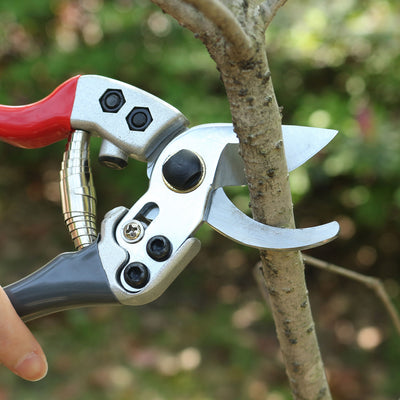
The pruning of any flowering shrub is always a contentious matter among gardeners. There are many different opinions as to the best methods and the best time of the year for pruning gardenias, but in our experience these plants are best pruned gently in the spring in order to maintain their shape. We say “gently” because gardenia blossoms only appear on new growth, so gardeners who want flowers should remove no more than necessary. The exception is damaged or diseased limbs and branches, which should be removed promptly after they’re noticed.
As with all pruning, use clean, sharp tools to avoid accidental damage or introducing disease. We have a guide about pruning here and we recommend everyone revisit it as a refresher before embarking on a pruning project.

Long-Lasting Beauties: The Joys of Gardenias
Properly tended, gardenias can live for 15 years or more. This makes them a long-lasting garden delight, providing both visual and olfactory beauty for years to come. Whether planted as decorative landscaping or in a container, these plants are just wonderful in any garden space. If you have gardenias you’ve loved, we’d love to hear about your experiences either via email or in the comments. Likewise, please reach out with any questions you have—Gardzen is all about community and we love to hear from you!
Leave a comment