


It’s very easy, for some of us at least, to think of landscaping as static. We put in the plants, do some basic maintenance, and then they just sit there as part of the décor. The reality is that we need to care for our landscaping plants in many of the same ways we care for other garden plants, and that includes getting them ready for the changing seasons. While many landscaping feature plants can handle seasonal transitions on their own, a bit of care from us can ensure they are at their healthiest, happiest, and most beautiful when spring comes. So let’s dig in and learn a bit more about how and why to winterize landscaping!
Gardzen Executive Summary:
· Our landscaping plants are alive and need care to thrive and look their best.
· By winterizing our landscaping, we can ensure that it stays healthy over the winter and puts out healthy growth or blooms in the spring.
· Winterization involves making sure plant and lawn needs like water, fertilizer, compost, and mulch are all met before the weather gets cold.
· How we winterize our gardens depends on our climate, location, and the nature of our garden spaces.
· By putting the work in now, we can make things easier and more beautiful in the spring.

Why We Winterize Landscaping
Regular readers know that we’re big on understanding “why” we’re doing something in the garden before we move into the “how” of doing it. So why do we winterize landscaping? After all, most landscaping plants are perennials that are intended to return year after year. Shrubs and trees practically take care of themselves! Well, a bit of care helps any plant thrive, and we can do some basic garden tasks to prepare our plants for cold weather, help them stay healthy over the winter months, and then further prepare them to thrive and look their best in the spring. With veggie gardens or annuals, we spend time preparing the soil, sprouting and caring for the young plants, and then transplanting them. We devote time to soil care, site location, and similar tasks. Think of this as the landscaping equivalent: we’re doing the maintenance care to keep everything healthy and happy.

How to Winterize Landscaping
So now that we know a bit about “why”, let’s take a look at “how”. As always, this is a generalized list of winterization landscaping care tasks that’s intended to serve as a starting point. Different plants, different climates, and different garden spaces have their own needs and part of gardening is learning about our space and our plants.
· Water before the frost. While there are some good watering practices for the winter months—see our blog about that here—a good rule of thumb is to water landscaping beds, trees, and shrubs deeply before the frost comes. This helps the roots soak up water and nutrients before the cold and often dormant months ahead.
· One last round of fertilizer. Plants need food during the winter too, and a winter-formulated fertilizer applied per manufacturer’s instructions can help ensure that trees, shrubs, and lawns are healthy during the winter and ready to thrive in spring. For shrubs and trees, a thick layer of compost can also help by providing both some heat and insulation while also feeding the plant’s roots over the winter. Just make sure that you don’t pile compost around the stem or trunk; that can lead to rot, infection, and other forms of damage. Leave a four to six inch space around the base of the trunk or stem for safety’s sake.
· Mind your mulch! Now is the time to apply and refresh mulch. This fills multiple roles—a thick layer of much over a bed of annual flowers can help protect the root balls and underground structures of the plant from the cold and frost. Around shrubs and trees—careful to leave some open space around the stem/trunk—mulch provides both insulation and some slow fertilization as it degrades into the soil. Note that this only applies to organic mulch and that it’s not a substitute for regular fertilizer or compost.

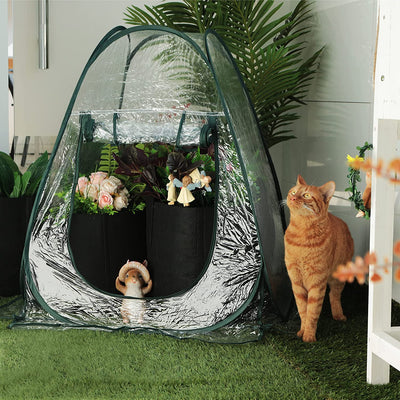
· Prepare cold protection for plants. This can take many forms. Some container gardeners may be able to move their plants inside for the winter. Some outdoor plants may benefit from plant covers, row covers, or other forms of protection. For patio gardens or porch gardens, a small portable greenhouse may be in order. Just make sure that you’re using the right kind of cold protection for your space, your plants, and your weather—again, every garden space is different!
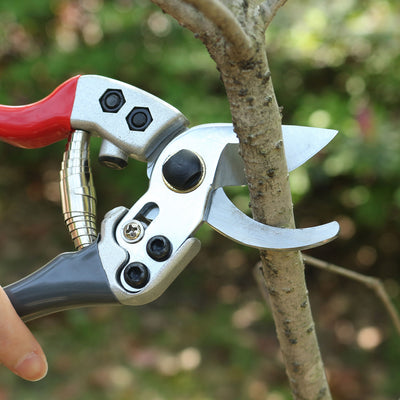
· Prune or trim—where appropriate! Pruning is always a contentious subject, but some plants do benefit from a fall pruning before winter arrives. Roses, herbaceous annuals, lavender and rosemary are all examples of plants that really do benefit from a pruning/trim and cleanup before winter arrives. We generally recommend pruning most trees and shrubs in the cold months, but there are exceptions to that too—you can read more here.
· Plan for spring. This is the step that gets a bit creative, maybe even philosophical. Winter’s a good time to look at our garden and landscaping spaces and think about what we’d like to do differently. Do you have a shrub you’d like to add? Something you’d like to relocate? Would a new flower bed look good in a particular space in you lawn? This is a great time to start sketching, dreaming, planning, and building! Your garden space, no matter how big or small, indoors or out, is yours and you can make it into whatever you want it to be.

Winter is Coming . . . But So is Spring!
While we may be focused on the coming cold right now, winter isn’t the only thing in our future. Spring will get here, and with it a new gardening season. By doing some winterization now for our landscaping plants and our lawns, we’ll help them stay healthy over the winter while also preparing them for spring. This not only helps them thrive when the weather warms up, but it also makes our lives easier when we benefit from this season’s work in the spring. So let’s take some time to figure out what our gardens and landscapes need for winter, how to give them the winterization care they need, and then make it happen!
This is just a generalized guide; we suggest asking your local garden club or cooperative extension office for location-specific advice. We’ll do our best to help with any questions you have so send us an email or jump into the comments section. Gardzen is all about community and we love to hear from you!

Leave a comment