


Collards, kale, broccoli, and mustard greens. These are some of the most popular fall and winter vegetables around the world, and with good reason: they’re tasty and easy to grow! What we often forget, however, is that these are also all varietals fo the same species of plant. While it’s not the showiest foodstuff in the world, Brassica oleracea in all its variation is an agricultural powerhouse and a wonderful addition to any garden space. We’ve discussed these plants before, but it’s time to take another look. So join us as we learn how and why to grow brassicas as well as learning a bit about the history of this plant family. Let’s dig in!
00001Gardzen Executive Summary:
· Brassica plants include popular garden veggies and crops like collards, kale, broccoli, and bok choy.
· Brassicas have been a cultivated plant for so long no one knows for sure how they were domesticated.
· There are many thousands of varietals grown all over the world, falling into eight different cultivar families.
· Brassicas generally prefer cooler weather, but will tolerate a wide variety of soil conditions.
· There’s likely a brassica that’s right for your garden space!

00002Wild Cabbage and the Origins of Cole Crops
The story starts in Europe, likely on the Mediterranean coast. Wild cabbage (the original Brassica oleracea) evolved in that region to thrive in the sandy, rocky soil and seasonal rain patterns. It was cultivated so long ago that we’re not sure who first turned it into a domesticated plant—it was well established in Ancient Greece and Rome as a popular crop.
Wild cabbage was the parent crop, but over the years and centuries it interbred with related Brassica species around the region. Combined with selective breeding by thousands of years of farming and cultivation, this created a wide variety of what are sometimes called Brassicas or cole crops. “Cole” is an old English word for “cabbage” and, yes, it’s the “cole” from “Old King Cole”.
Varietals of Brassica oleracea are now commonly grown all over the world—and they include some very popular food plants. Let’s learn a bit more.

00003How Many Varietals of Brassica oleracea Are There?
It’s difficult to say how many cultivars or varietals of Brassica oleracea there are. Cole crops are popular all over the world and there are likely thousands of local and heirloom varietals being grown by small farmers and local gardeners. However, our friends at the Kew Botanical Gardens tell us that there are eight major cultivar groups that most Brassica varietals fall into:
· Acephala, or non-heading cultivars, are just what the name implies. These varietals don’t form cabbage-like heads, but rather looser cluster of leaves. Kale and collards are among the most popular acephala cultivars.
· Alboglabra is the cultivar group that includes many varietals developed in East Asia. Plants like Chinese kale, Chinese broccoli, gai lan, kai lan and of course bok choy/bai cai.
· Botrytis cultivars form dense compact inflorescences that are often eaten before they bloom. These include things like broccoli and cauliflower.
· Capitata means “headed” and it’s the name of the cultivar group for heading brassicas like cabbages.
· Gemmifera cultivars produce buds of leaves that are used as food, and plants like Brussels sprouts are members of this group.
· Gongylondes cultivars are grown for their roots and stems. These include plants like kohlrabi.
· Italica varietals are similar to the Botrytis group, in that they produce edible inflorecensces. The difference is that these varietals have spreading inflorecensces rather than ones that are compacted into a single head. The sprouting broccolis and broccoli raab fall into this group.
· Tronchuda varietals are low growing annuals with leaves that spread widely. Portuguese cabbage and seakale cabbage belong here.
Again, these are cultivar groups, each of which contains far more different cultivars than we can mention here. Part of what makes growing Brassicas so much fun is that we can explore local varietals, heirloom varietals, and local history while growing tasty garden plants!

00004How to Grow Brassicas and Cole Crops at Home
One of the reasons these plants are so popular is their versatility. With so many varietals and such a long history, there’s likely a Brassica plant that will work well in your garden. There are also ornamental varietals that, while still edible, are grown for their beauty as a landscaping plant.
With so many varietals it’s a bit tricky to generalize, but most brassicas are cool-weather plants, preferring temperatures around 65F/18C. However, the plant will tolerate much higher temperatures although it make cause it to taste bitter. Brassicas will tolerate a wide varietal of soil types as long as they’re moist, reasonably well drained, and have adequate nutritional content. A pre-planting treatment of the soil with good compost works well for us, along with a mid season application of a balanced fertilizer.

Brassicas are prone to some pests and diseases. In much of North America cabbage worm is a particular problem, and garden plants should be inspected regularly for signs of infestation. These include clusters of small yellowish eggs, leaves that look chewed on or moth-holed, and the presence of the worms themselves. Worms and eggs should be removed and disposed of as soon as they’re detected, and we’ve found that regular application of a neem oil based repellent helps keep the cabbage worms away.
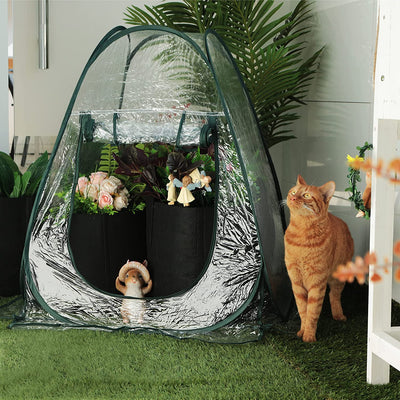
And yes—most leafing or heading brassicas can be grown perfectly well in containers, though they may need a bit more cold protection than their in-ground friends!

00005Brassica oleracea: A Rich Past and A Wonderful Future
These are some of our favorite plants, and a real joy of cool-weather gardening. There are so many varietals—we’re partial to Russian red kale and classic Southern collards—and so many ways to grow and prepare them. Brassicas and cole crops in all their forms deserve consideration for any garden, and we hope you’ll think about giving them a try. If you do, let us know how it goes!
Leave a comment