


This is another reader-inspired article. Our friend C reached out to us for some help ID’ing a garden plant she found; it turned out to be a beautiful lantana growing near her home in Portugal. That led to a conversation about the plant and its flowers which was so fertile we decided to turn it into an article. Lantana is beautiful, relatively easy to grow in many places, and a fun addition to many garden spaces. So let’s dig in and learn all about growing and caring for lantana at home!
Gardzen Executive Summary
· Lantana is native to tropical and temperate regions of the Americas.
· Over the last several centuries, its range has expanded and lantana can now be found around the world, with some varietals considered invasive in Southeast Asia and Australia.
· There are over 150 different lantana species, most of which are shrubs that may grow anywhere between 18 inches and 6 feet/ 50cm and 1 meter in height.
· Lantana is prized in garden spaces for its colorful clusters of flowers, called umbels. The colors of each species can vary from a mix of red and yellow to blues, whites, or even purples.
· Lantana thrives under a variety of conditions and can be grown easily in many garden spaces, though it does need some help with colder weather.

· All parts of lantana including the berries are toxic to both people and animals. Signs of ingestion include vomiting, diarrhea, difficultly breathing, and muscle weakness. Contact poison control for humans (1 800 222 1222 in the USA; 1 844 764 7669 in Canada) or the ASPCA poison control line for animals (1 888 426-4435) if you suspect a person or pet has consumed some lantana or contact emergency medical services in your area.
The History and Spread of Lantana spp
With over 150 species of lantana out there, it’s important to know a bit about this plant’s origins and how it spread around the world. It’s also important that we not confuse Lantana spp with some non-related plants with similar names like “wild lantana” (Abronia spp) or wayfarer tree (Viburnum lantana). These are interesting in their own right, but today we’ll be focused on Lantana proper.
Lantana originates in tropical South America and the Caribbean. Due to its beautiful flower clusters and the relative ease with which it can be cultivated, it quickly became a popular garden plant in Europe and rest fo the Americas and from there around the world. Now species of Lantana grow wild in places as diverse as Israel, Australia, and South Asia. In parts of India invasive lantana has found a new use as a substitute for bamboo or cane in the making of furniture. Apparently the long woody stems are equivalent in quality to those other plants when used properly and can be made into wicker furnishings, baskets, trays, and other useful things. We love seeing how ingenious people can be when it comes to making use of any plant, but especially an invasive. So shout-out to the craftsman of the Male Mahadeshwara Hills and the Lantana Crafts Center at the University of Agricultural Science, Bangalore, for finding creative and productive uses for lantana!

We mention its invasive nature because depending on where our garden spaces are located, we may want to take care to avoid spreading lantana further. Some of us may be legally prohibited from growing it at all, so please check before adding this plant to your garden! When in doubt, consider a sterile varietal of lantana like “Bloomify Red” or “Bloomify Rose” to avoid spreading the plant further.

Growing Lantana in Your Garden
Like so many potentially invasive plants, Lantana spp can thrive under a variety of conditions so there’s almost certainly a kind of lantana that will do well in your garden space. The most popular type of lantana is Lantana camara, which is a classic woody shrub lantana found in many nurseries or garden supply stores that carry plants.
Lantana is, in general, not pick about soil. L. camara will tolerate low-nutrient or even salty soil, but it grows best in mildly acidic, well-draining soil with a relatively high amount of organic content. As a rule of thumb, it likes the same soil conditions as azaleas or blueberries so if you grow those lantana will likely do well in your garden space. Given its tolerance for a variety of soil types and conditions, it’s not surprising that lantana requires very little if any fertilizer and over-fertilizing can prevent flowers from forming. A very light application of a balanced fertilizer or a light top-dressing with compost early in the spring is all this plant generally needs.

Lantana does prefer full sun and will benefit from regular watering, but be careful. If over-watered, lantana is susceptible to root rot. This is especially true when lantana grows in soil rich in organic matter, so be mindful of how much water it gets and how wet the soil stays. Damp is good. Water-logged and sodden are not!
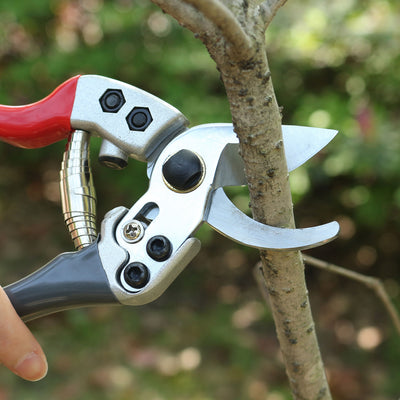
One of the joys of lantana is that it can be pruned to the shape and size desired (within reason). A good pruning early in the spring is generally all it needs with occasional touch-ups throughout the growing season. Light summer pruning can promote additional blooms, which are the reason most of us grow lantana in the first place. And for our container garden gang, lantana does come in dwarf varietals that are perfect for smaller spaces or containers.

Lantana is popular with pollinators, especially butterflies. If circumstances permit, it makes a great addition to a pollinator garden or butterfly garden and will increase the number of visits you get from pollen-loving birds and insects!

Lantana as a Garden Plant
Lantana is a beautiful plant with a number of possible uses. Most of us just grow it for its lovely flowers. Some of us grow it to support butterflies and other pollinators. Others have found uses for lantana despite its invasive nature. It’s a plant with many roles and a few issues, but we hope this article helps you better understand it and make the appropriate choices for your garden space. If you have lantana in bloom, please follow our friend C’s example and send us pictures! Gardzen is all about community and we love to hear from you!
Leave a comment