


In the USA, Labor Day is now behind us and we’re moving into the autumn season of the year. Some of us in more northerly climates are already there—shout-out to our Canadian readers!—but regardless of where we are if fall is upon us we need to start thinking about preparing our garden spaces for fall. With that in mind, we’re preparing a list fo some garden tasks, projects, and chores that should help us all get ready for the cooler months and the winter ahead while also prepping our gardens for the spring. Most of these are aimed at outdoor gardens, but our indoor gardeners and houseplant fans will find some useful ideas too. So join us as we explore some fall garden tasks that may help us get prepare for the changing seasons. Let’s dig in!
Gardzen Executive Summary:
· Fall feels like a sleepy time in the garden, but in reality there’s a lot to do in order to help our gardens thrive through winter and prepare for spring.
· Soil care, landscaping and lawn care, and garden bed preparation are all common fall garden tasks.
· Autumn is also a great time to get our outdoor plants and garden spaces ready for the cold that winter will bring.
· While these tips are mostly aimed at outdoor gardens, many of the soil care and pruning ideas apply to indoor gardens and houseplants. Plus, we’ll also have a blog about preparing indoor gardens for winter coming soon!

How to Prepare Garden Soil for Fall
We’ve found over the years that preparing the soil for spring is (in part) best done during the autumn season. This gives the soil time to rest, absorb new organic matter, and allows the soil biome to grow and thrive before we start planting again. With that in mind, here are some soil care ideas for the fall garden:
· Add Soil Amendments: Whether you’re tilling in sphagnum moss to loosen the soil or top dressing with home-made compost, now’s a good time to consider adding soil amendments to our garden spaces. We may need to loosen the soil a bit in the spring and perhaps add supplementary organic matter in the spring, but by enriching or amending our soil in the fall we can ensure that the nutrients absorb into the soil and that the ground can soak up rain and nitrogen before spring arrives.

· It’s Time to Mulch: We often think of mulch as a spring/summer garden addition, because it helps protect the soil from heat, sun and wind while also ensuring that it loses moisture less quickly. However, all those things help in the winter as well, albeit often in reverse. Mulch’s insulation properties help keep the soil warmer in the cold months so that the soil biome or perennial plant roots structures stay healthier. Be careful not to mulch perennials too early, as this insulation can prevent the plant from going dormant and expose it to cold damage. It’s best to mulch perennials after the weather is cooling down towards the freezing point at night.

· If you haven’t lately, Test the Soil. The soil had a busy growing season and knowing what state it’s in can help a good deal. Ideally do this before adding soil amendments but waiting till later in the fall and seeing how the soil has responded to our amendment efforts can help too.
Lawn and Landscaping Care for Autumn/Fall
It’s easy to forget about our lawns and permanent landscaping when prepping for fall; sometimes the lasting features of our garden spaces just fade into the background as they often need less acute care. However there are a number of things we can do to help our lawns, landscaping plants, and landscaping beds thrive by applying a little care in fall. Some of these ideas include the following:
· It’s Time to Plant! Fall is a great time to plant perennials—especially bulb and rhizome plants—along with trees and large shrubs. This does require a bit fo careful planning however; in addition to all the other steps needed to successfully plants shrubs, saplings, and trees, it’s also best to put them in at least six weeks before the frost. This gives plants time to adjust to their new home and establish their roots well in advance of freezing weather.

· Fertilize and Seed the Lawn As Needed: These are simple tasks for lawn care that are often forgotten in the rush of mowing, watering, and dealing with leaves. The fall months are good time to add fertilizer or reseed parts of the lawn that need it. This is especially true for lawn features like clover, which need cooler weather to really take hold.
· Aerate the Lawn: Fall’s the best time to grab a coring tool or put on some spike shoes in order to aerate the lawn. There are a number of tools we can use and a number of possible approaches, but the basic idea is to put holes in the soil that let air circulate and thus increase root and soil health.

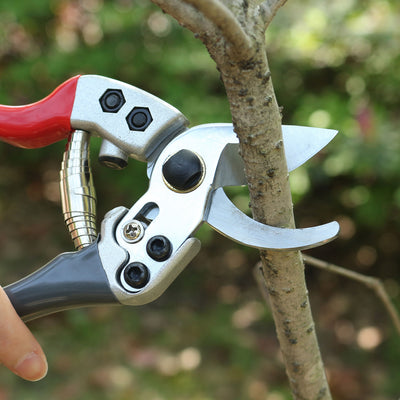
· Pruning, Pruning, Pruning: pruning is like weeding, in that it’s likely no-one’s favorite garden chore but it’s a necessary one. How and when to prune depends on the plants in question, but it’s important to use clean, sharp tools and make careful deliberate cuts when removing branches and stems from plants.

When (and How) to Prepare Plants for Cold
Fall means winter is around the corner, and that means it’s time to get our plants ready for the chilly days and frosty nights to come. Here are some ideas for how to do that for different kinds of outdoor garden spaces:
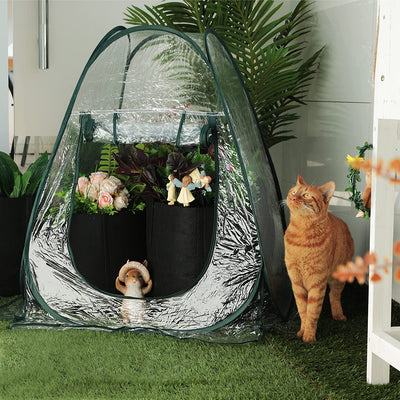
· Bring Vulnerable Plants Inside—or Give Them Some Protection: It’s time to move our houseplants and tender container plants into a sheltered space. That may be inside our homes, or into a warm greenhouse if we’re lucky enough to have one. Some plants may just need a row cover or movable greenhouse to make it through the winter—it all depends on our location, climate, and the plants in question. Regardless, now’s the time to start taking steps to ensure our plants have a warm and comfortable winter.

· Wrap the Trunks of Young Trees and Shrubs: Mature trees and shrubs are often just fine on their own for the winter, but younger ones that are less established may need some help. Mulching around the roots is one step and we discuss that above, but wrapping the trunks can help as well. It protects the bark from hungry critters and sun scald which can cause splits in the bark on sunny winter days.

· Water Shrubs and Trees—Even the Mature Ones: Fall is most often cooler and wetter than summer and thus less stressful for landscaping plants, but it’s also a good time to water our trees and shrubs of all ages. This helps them adjust to the changing seasons and soak up water for the winter months ahead. Water according to the plant in question, remembering that they all have different needs when it comes to moisture and soil conditions.

The Beauty of Autumn Gardening
Fall is a wonderful garden season: we can clean up our garden spaces, spend a different kind of quality time with our plants, and take stock of everything we did and learned the preceding spring and summer. At the same time, we’re also planning for the future and what the next spring will bring. It’s a beautiful part of the cycle, and we hope this partial list of suggested fall garden tasks helps you get the most out of it.
Did we miss something? Do you have some tips or some questions? Let us know in the comments or via email. Gardzen is all about community and we love to hear from you!
Leave a comment