


It’s that time again! We’ve written several blogs in the past about gardening myths, legends, and lore, and for this week we have another round of gardening urban legends to explore and debunk for you. Any human pursuit as old and widespread as gardening will necessarily have some misconceptions attached, but we have to say that this list is especially “out there”. So, join as we dispel some gardening rumors and disinformation. Let’s dig in!
Myth #1: Polishing Plant Leaves
We see this most commonly attached to indoor or container plants. The idea is that we should use some substance—most often egg whites or even mayonnaise—to coat the leaves of our plants and make them more shiny. Needless to say, this is a bad idea. Coating the leaves of most plants with a foreign substance can prevent the respiration that leaves use as part of their energy production and temperature regulation processes. This will in turn damage the leaves and potentially kill the plant. Some plants will benefit from an occasional wipe down with a damp rag, but that’s all. And don’t wipe down plants with fuzzy, spiked, or thorny leaves or stems. Wiping can damage those structures, which the plant needs to thrive.

Myth #2 Watering Plants with Ice Cubes
The idea makes sense on the surface—you place some ice cubes on the surface of the soil, let them melt slowly, and thus provide the plant with a steady supply of water. The reality is that while humans enjoy drinking ice water sometimes, plants almost never do. Water that’s barely above freezing can damage roots and other structures or push the plant into its dormant state out of season. Barely melted water may also damage the soil’s microbial biome and have a negative impact on soil health. Use liquid water instead at a temperature appropriate for the plant in question.

Myth #3 Pebbles on the Soil/Misting the Plant Increases Humidity Levels
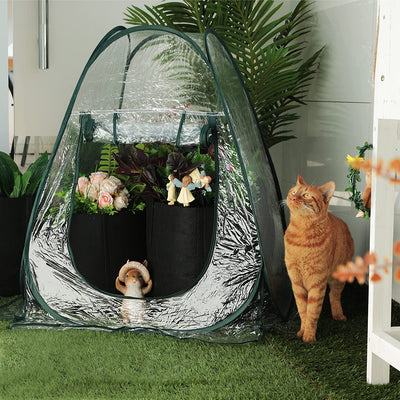
This one pops up most often in wintertime, when the central heat is running and drying out the air in many homes. And like many gardening myths, it looks like it should work. Pebbles or decorative stones can act as mulch to keep moisture in the soil, but they don’t do much for humidity around the plant’s above ground parts. Likewise, while misting can provide water to some air-feeding plants, the mist evaporates so quickly that it doesn’t provide lasting humidity. If you have plants that need a more humid environment, try moving them into a bathroom that gets the right amount of sun or using an indoor greenhouse to provide appropriate conditions.

Myth #4 Hydrogen Peroxide Cures Root Rot
There’s no application we know of for hydrogen peroxide in plant care, and certainly not for treating root rot! The solutions to root rot are less water, better drainage, and maybe re-potting in a container that provides better circulation of both water and air. Hydrogen peroxide in concentration would damage the roots and other parts of the plant on its own, and watered down to the point of being safe would have no effect on anything else. There are better and more practical solutions to root rot, so let’s use those instead.

Myth #5 Birth Control Pills and/or Viagra Help Plants Grow
This one is just surreal, but it comes up sometimes on gardening forums and discussion boards so here we go. In brief: while birth control pills and Viagra may help human fertility and libido, they don’t do anything for plants. Plant biology is entirely different and these chemicals have no positive effects and may cause problems with plant growth and soil health. Plus, adding them to plants would be hugely expensive! Let’s stick with conventional fertilizer and compost instead to help our plants grow healthy and strong.

We love writing these—it’s a fun chance to explore the world of gardening and the beliefs and stories around it. It’s also a chance to address gardening misconceptions and misinformation and thus help us all have better gardens, healthier plants, and a more accurate understanding of the world around us.
If you have a favorite gardening myth—or a garden practice you think might be a gardening tall tale—let us know and we’ll incorporate it into our next round of garden myth busting. Gardzen is all about community and we love to hear from you!

Thanks for debunking these myths! I always wondering about polishing the leaves
I really enjoyed reading about these myths haha
Leave a comment