


Sage is one of those garden plants we all sort-of know about. It’s a common culinary and medicinal herb with a rich history, but it’s also a catch-all term for a family of plants found in both the Old and New Worlds. So while we have a culinary sage that’s popular and common in the Western world, there are also a large family of plants that are commonly referred to as sages. This can lead to some confusion, but it’s also an opportunity to explore these plants and diversify our gardens. Let’s dig in!
Gardzen Executive Summary
· Sages are popular around the world as ornamental, culinary, and medicinal plants
· In the Western world, the most commonly used members of the family are common sage (Salvia officinalis) and rosemary (Salvia rosmarinus, sometimes listed as Rosmarinus officinalis)
· Both common sage and rosemary are native to the Mediterranean region
· However, there are over 1,000 different plants in the Salvia family, many of which are commonly referred to as “sages” and are found across Europe, Asia, and the Americas
· Many sages do well in either containers or in the ground. There’s probably a sage that’s right for your garden space!

Salvia as a Genus
The Salvia genus takes its name form the Latin word salvia which means . . . sage, particularly Salvia officinalis. Yes, it’s confusing so let’s just make a note of that and move on. The name salvia in turn comes from the Latin salvēre, meaning “to heal” or sometimes “to be/feel healthy.” This is a sign that even in ancient time sages were regarded as health-giving or healing plants; this tradition continues around the world to this day.
Salvia species are all herbaceous, but beyond that they come in a wide variety of types and sizes. Some are annuals, some biennials, some perennials, They grow in a wide variety of climates and locations. Many sages are aromatic, releasing richly-scented oils when the leaves or seeds are rubbed. This contributes to their popularity as culinary herbs due to the flavor and aroma they bring to foods, but also as ornamental herbs due to the lovely fragrance they release. The leaves, stems, and flowers may also be dried and used as potpourri, incense, or burned as part of religious or spiritual ceremonies. You may be familiar with the Native American/First Nations tradition of smudging, for example, in which hand-held bundles of dried sage are burned.

Some sages are grown for the oils in their seeds; the seeds may be eaten as a food or pressed for oil depending on the variety. Chia, the edible seeds, come from a member of the Salvia genus native to Mexico and Guatemala, Salvia hispanica. This is a diverse family of plants, with a wide variety of uses!
Growing Salvia officinalis (And Other Sages)
Sages are by and large fairly easy to grow in most garden spaces. They do tend to prefer relatively warm and dry conditions, but some varieties are adapted to cooler and wetter spaces. Salvia officinalis does well indoors in containers as part of a container garden or culinary herb garden. Outdoors, many sage plants are beloved by pollinators, and we always recommend growing plants that support bees.

While there are exceptions (always read the seed packet or plant tag), most sages do well in full sun. They tend to prefer well-draining soil and warm temperatures with low to medium humidity. We’ve successful started both culinary and decorative sages from seeds in the past, but it’s a lot easier generally to buy a small plant from a reputable local nursery. A local grower or nursery may also be able to provide advice about which varieties of sage do best in your local conditions, and that’s always useful for outdoor gardeners.
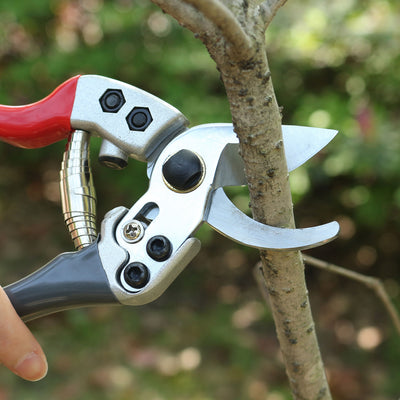
Sages can grow relatively large, anywhere between 12 and 36 inches/30cm and 91cm in height. Regular trimming and pruning can help with this, which makes sages a wonderful and fragrant choice for indoor or container gardens. In containers, sages may require some shelter during cold weather, however, so make sure to bring them indoors or at least provide a bit of cover in winter.
Many gardeners find that sage plants last for years or decades, but there’s a body of gardening advice that suggests replacing the plants every few years for best results. It’s fairly easy to propagate sages from cuttings, which makes the replacement process relatively straightforward with a bit fo planning.

Sage: A Classic, Classy Garden Plant
With roots and origins from ancient Rome and around the world, Salvia as a genus provides a wide variety of options for the home gardener. When in doubt we recommend starting with Salvia officinalis, but that’s far from the only option and we love growing a variety of ornamental and culinary sages in the Gardzen Test Gardens. We hope this is the year you give sages a try if you’re not growing them already. If you do or if you already grow sage, let us know how it’s going and please include photos! Gardzen is all about community and we love hearing from you!
I want to grow my own sage!
Leave a comment